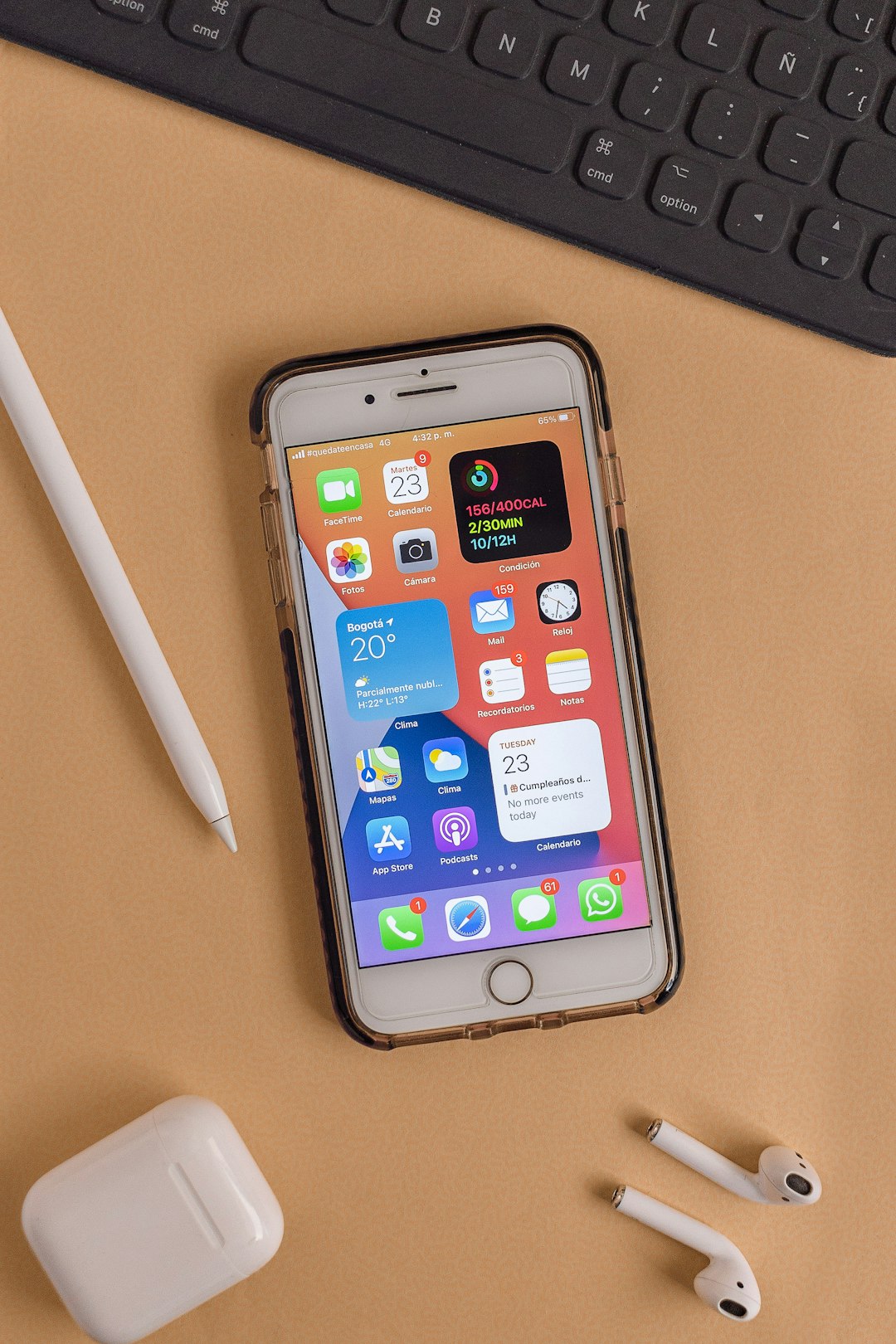
California's strict Do Not Call laws, enforced by CPUC, protect residents from unwanted robocalls, especially from law firm telemarketers. AI-driven call-blocking apps like TrueCall, Hiya, and NoCall offer effective solutions, but privacy remains crucial; users should carefully consider app data practices, opting for network-level protections for enhanced privacy under Do Not Call regulations in California.
Tired of relentless robocalls on your iPhone? California offers a robust solution with its strict Do Not Call laws, designed to protect residents from unwanted telemarketing. This article explores top iPhone apps tailored for blocking these nuisance calls, focusing on tools that respect California's regulations. We'll delve into their effectiveness, privacy considerations, and how they help you regain control over your device, especially when navigating the complex landscape of telemarketing practices, while ensuring compliance with local Do Not Call law firms.
Understanding Robocalls and California's Laws

Robocalls, automated phone calls made en masse, have become a ubiquitous and often unwanted part of modern communication. These calls, frequently advertising products or services, can be particularly intrusive for California residents, who are protected by strict Do Not Call laws. The state's regulations, enforced by the California Public Utilities Commission (CPUC), prohibit telemarketers from making automated calls to individuals who have registered on the state's Do Not Call list. This list allows iPhone users in California to take control of their phone lines and significantly reduce the number of unwanted robocalls they receive.
California's commitment to protecting its citizens from aggressive telemarketing practices is evident through various legal measures. The state has stringent penalties for violators, including fines and legal action against firms that ignore the Do Not Call list regulations. This robust framework ensures that residents can enjoy their phone calls without being bombarded by unsolicited messages. By adhering to these laws, consumers can have peace of mind knowing their privacy is respected, and they are free from the nuisance of robocalls, especially those emanating from law firm telemarketers.
Top iPhone Apps for Blocking Calls
In today's digital era, the relentless rise of robocalls has become a nuisance for many iPhone users in California. Fortunately, several innovative apps have emerged to combat this issue. Among the top choices are those that leverage advanced AI and machine learning algorithms to identify and block unwanted calls, including insistent law firm advertisements. These applications continuously update their databases, allowing them to recognize and filter out known robocallers effectively.
Some of the most recommended iPhone apps for call blocking include TrueCall, Hiya, and NoCall. TrueCall offers a robust caller ID feature that displays information about incoming calls, enabling users to block unwanted numbers effortlessly. Hiya goes a step further by providing detailed insights into robocalls and spam, while NoCall focuses on community-driven reporting, allowing users to contribute to a collective effort to silence these persistent callers, especially those from law firms with aggressive marketing strategies.
Effectiveness and Privacy Considerations
The effectiveness of an app in blocking robocalls largely depends on its ability to identify and filter out unwanted calls accurately, without compromising user experience. Apps that employ machine learning algorithms can adapt to new patterns, making them particularly effective against evolving spam strategies. However, it's crucial for users to understand that no system is 100% foolproof; some legitimate calls might still slip through.
Privacy considerations are paramount when using any call-blocking app, especially in California where the Do Not Call law firms have strict regulations. Users must ensure their apps collect and share data responsibly, adhering to data protection laws. This includes transparent practices regarding what information is gathered, how it's used, and with whom it's shared. In addition, effective call blocking should occur on the network level rather than relying solely on device-based solutions, which can limit privacy protections.