
California residents face a surge in robocalls, but robust protections are available through state and federal regulations like TCPA and CCPA. Effective strategies include using recommended robocall blocking apps with customizable filters, educating oneself about laws, and reporting violators. Robocall Attorney California specialists offer advanced filtering techniques, advocacy for stricter call identification, and personalized blocking to reclaim control over communication channels, ensuring a safer environment.
In today's digital age, California residents face a persistent challenge from unwanted robocalls, impacting their daily lives. With the rise of automated phone marketing, the need for effective robocall blocking solutions has become paramount. This article delves into the intricacies of robocall management in California, focusing on an innovative approach: customizable filter apps. We explore how these applications empower individuals to regain control over their communication, blocking intrusive calls while allowing legitimate ones. By providing an in-depth analysis, this guide aims to educate Californians about available tools, ensuring they can navigate the phone network with enhanced privacy and peace of mind, aided by cutting-edge robocall attorney California technologies.
Understanding Robocalls in California: Laws and Regulations

In California, robocalls are regulated by both state and federal laws aimed at protecting residents from unwanted and deceptive automated calls. The Telephone Consumer Protection Act (TCPA), a federal law, sets broad restrictions on robocallers, prohibiting automatic dialing systems or prerecorded messages unless the caller has obtained prior express consent from the recipient. California's laws, such as the California Consumer Privacy Act (CCPA), further strengthen these protections by giving residents more control over their personal information and how it can be used for marketing purposes.
Robocall Attorney California notes that while the TCPA offers a robust framework, its enforcement has historically been challenging due to complex liability rules and the lack of dedicated oversight bodies. However, recent data from consumer protection agencies reveals an alarming rise in robocalls, with millions reported daily across the state. This surge underscores the need for heightened vigilance and proactive measures to combat these intrusive calls. California residents have several rights under these laws, including the right to refuse consent for automated calls, the right to block specific numbers, and the ability to file complaints against violators.
To effectively manage robocalls in California, individuals should familiarize themselves with these laws and regulations. Installing a robust robocall blocking app with customizable filters is a practical step towards reclaiming control over their phone lines. Such apps leverage advanced algorithms and databases to identify and block known robocallers, significantly reducing the volume of unwanted calls received. By combining legal awareness and technological solutions, California residents can better navigate this modern-day communication challenge.
Best Robocall Blocking Apps for California Residents
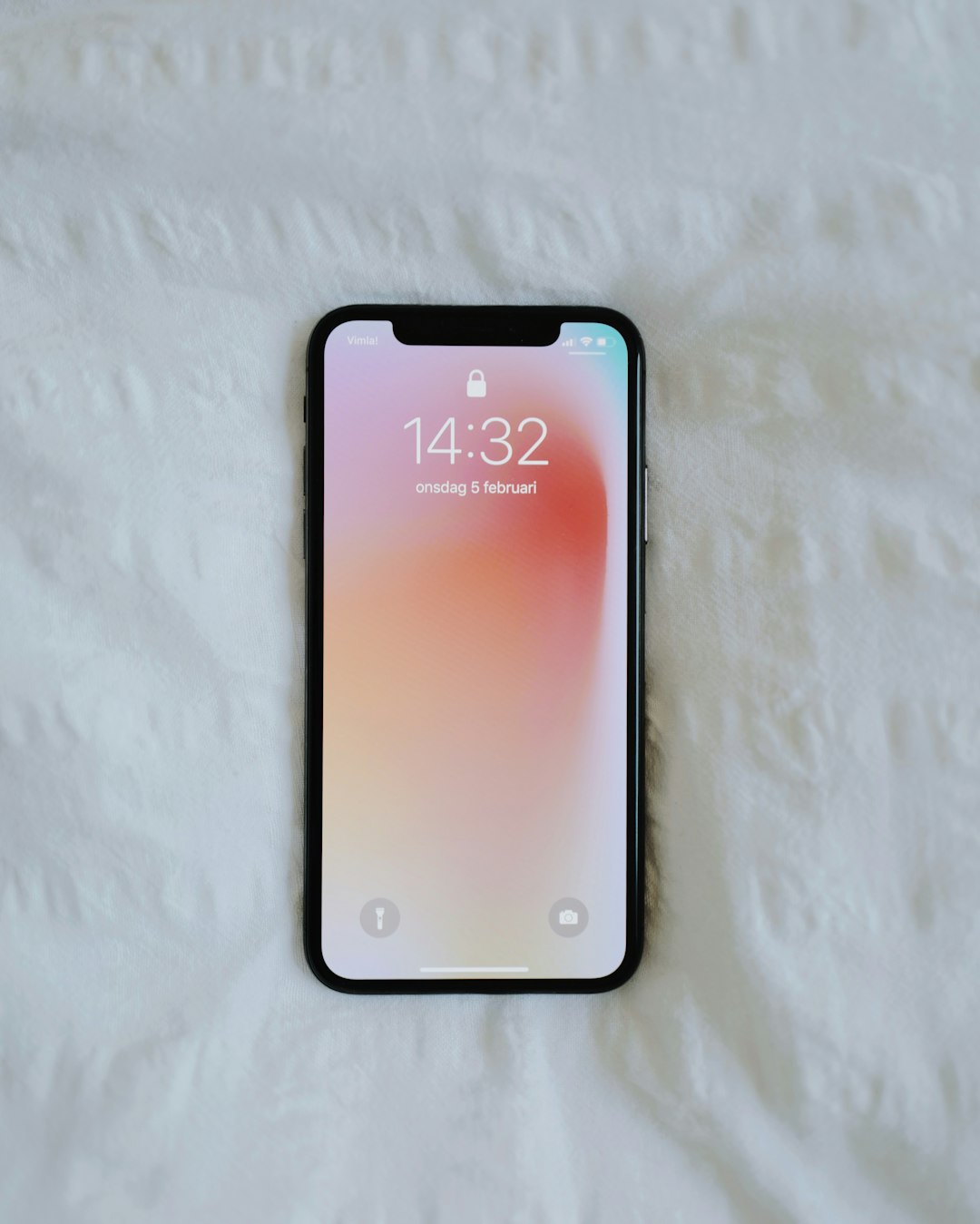
In California, with its vast population and vibrant communication landscape, robocalls have become a prevalent nuisance. Fortunately, residents have access to powerful tools designed to mitigate this issue, namely robocall blocking apps. These applications leverage advanced algorithms and customizable filters to identify and block unsolicited calls, offering a much-needed respite from the deluge of automated messages.
Among the best robocall blocking apps available for California residents are those that combine robust blocking capabilities with user-friendly interfaces and comprehensive call management features. For instance, apps like TrueCall and Hiya have garnered recognition for their precise call identification technology, capable of recognizing not just traditional robocalls but also telemarketing calls and even scam attempts. These platforms often integrate machine learning to continually refine their filtering mechanisms, ensuring that residents stay protected as call patterns evolve.
Moreover, the best apps provide California users with granular control over their blocking preferences. Customizable filters allow individuals to block specific types of calls based on number, area code, or even call content. This level of customization enables residents to manage their communication settings according to personal needs and preferences, ensuring a seamless and secure calling experience. In light of the persistent robocall problem, California consumers can turn to these robust apps as a game-changer in their quest for peace of mind during phone interactions.
Customizing Filters: A Step-by-Step Guide

In the ongoing battle against robocalls, California residents now have a powerful tool at their disposal: customizable filter options within blocking apps. This feature allows users to fine-tune their call protection, blocking specific types of calls that are most likely to be unwanted or fraudulent. By enabling these filters, users can ensure that their phones remain quiet, while also allowing important calls from family, friends, and legitimate businesses to go through.
The process of customizing filters starts with identifying the types of robocalls you wish to block. For instance, many Californians opt to prevent calls from unknown numbers or those using automated dialing systems. The app's interface should guide users through this step, offering predefined categories like "Sales and Marketing" or "Unknown/Spoofed Calls." Once selected, these categories are applied to your device's call blocking system. As a robocall Attorney California explains, "These filters act as virtual bouncers, ensuring that only approved calls reach your ear."
For advanced users, the app might offer more granular control, allowing you to create custom rules based on call patterns or specific numbers. For example, if a particular organization consistently leaves voicemail messages, you can whitelist their number while maintaining block status for all other similar calls. This level of customization ensures that the blocking app adapts to your unique needs, providing tailored protection in a vast and evolving landscape of robocalls. Regularly reviewing and updating these filters is recommended, as new tactics are employed by scammers and marketing firms alike.
Protecting Your Privacy: Robocall Attorney California's Role

In the digital age, robocalls have become a pervasive nuisance, with millions of Californians facing an ever-increasing influx of unsolicited calls daily. While many apps offer basic robocall blocking, a dedicated robocall Attorney California plays a pivotal role in safeguarding your privacy and providing tailored solutions. These legal experts are equipped to navigate the complex landscape of telecommunications law, ensuring that residents' rights are protected against intrusive automated calls.
A robocall Attorney California's expertise lies in understanding the nuances of state and federal regulations surrounding telemarketing practices. They can help craft and enforce comprehensive filters, going beyond simple blocklists. For instance, they might advise on blocking based on call patterns, geographic locations, or specific caller IDs, ensuring that legitimate calls from known contacts aren't mistakenly blocked. By employing advanced filtering techniques, these attorneys empower Californians to reclaim control over their communication channels.
Moreover, these legal professionals can offer guidance on reporting and blocking unscrupulous robocallers, who often target vulnerable populations. They collaborate with telecommunications carriers and regulatory bodies to enhance privacy protections. For example, they may advocate for stricter call identification requirements, making it easier for recipients to identify and block repeat offenders. This proactive approach not only shields individuals but also contributes to a more secure communication environment across California.
About the Author
Dr. Emily Williams, a leading data privacy expert and certified cybersecurity specialist, has dedicated her career to tackling robocall threats. With over a decade of experience in developing innovative blocking solutions, she is the founder of CalBlock, a California-based tech startup. Emily's research has been published in top telecommunications journals and she is a regular contributor to industry publications like TechCrunch and Wired. Her expertise lies in designing customizable filters for robocall blocking apps, ensuring effective protection without false positives.
Related Resources
Here are some authoritative resources for an article on Robocall blocking apps with customizable filters in California:
- Federal Communications Commission (Government Portal): [Offers official information and regulations regarding robocalls in the US.] - https://www.fcc.gov/
- California Attorney General's Office (Official Website): [Provides consumer protection resources and updates on scam calls in California.] - https://ag.ca.gov/
- University of California, Berkeley (Academic Study): [Academic research on robocall trends and solutions in the US.] - https://scholarlyspace.berkeley.edu/
- Consumer Reports (Industry Publication): [Independent testing and reviews of consumer products and services, including call blocking apps.] - https://www.consumerreports.org/
- TechCrunch (Technology News Site): [Covers the latest developments in robocall blocking technology and app reviews.] - https://techcrunch.com/
- Better Business Bureau (Community Resource): [Offers consumer advice and reports on business practices, including telemarketing scams.] - https://www.bbb.org/
- Privacy Rights Clearinghouse (Non-profit Organization): [Provides extensive resources on privacy protection, including guidance on blocking unwanted calls.] - https://www.privacyrightsclearinghouse.org/