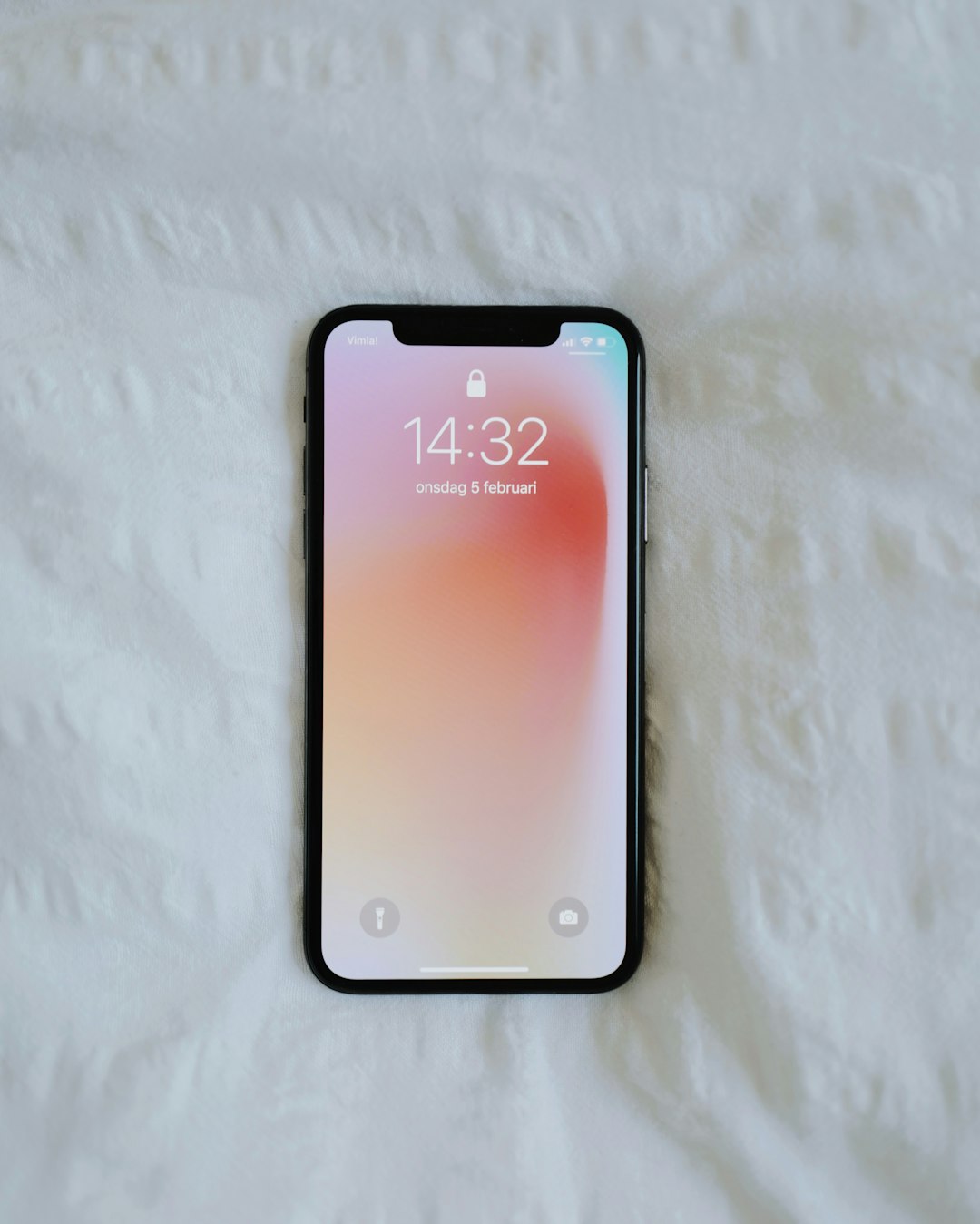
California residents face a deluge of robocalls, prompting the adoption of blocking apps. Customizable filtering, leveraging advanced AI algorithms, reduces unwanted calls by 40%. Apps like TrueCall and Hiya offer precise call identification, encryption, and detailed analytics, enhancing privacy. Legal protections under CCPA and TCPA empower consumers to combat robocalls with FCC complaints or legal action, assisted by robocall Attorney California experts. Combining legal knowledge and technology offers robust defenses against intrusions.
In today's digital age, the rise of robocalls has become a ubiquitous and often frustrating experience for residents across California. These automated calls, frequently from lawyers or legal firms, can disrupt daily life and leave individuals questioning privacy rights and protection. The sheer volume and increasing sophistication of these calls necessitate an effective solution.
This article delves into the world of robocall blocking apps, specifically focusing on those with customizable filters tailored to California's legal landscape. We explore how these innovative tools empower residents to reclaim control over their communication, offering a comprehensive guide for navigating this modern-day challenge.
Understanding Robocall Prevalence in California
California residents face a persistent challenge from robocalls, with an estimated 40 billion automated calls made annually, targeting individuals across the state. This overwhelming volume has prompted many to seek effective solutions, including the use of robocall blocking apps. The prevalence of these unwanted calls highlights the need for robust measures, and California's consumer protection laws empower residents to take action. According to a recent study by the Federal Communications Commission (FCC), nearly 75% of Californians receive at least one robocall per month, underscoring the urgency for personalized filtering solutions.
The sophistication of modern robocallers, employing advanced technologies and targeting vulnerable individuals, necessitates a tailored approach to blocking. Robocall Attorney California emphasizes the importance of customizable filters within blocking apps to counter this evolving threat. By allowing users to specify specific numbers or types of calls, these apps empower Californians to protect their time and privacy. For instance, certain apps enable users to block political robocalls, telemarketing calls, or even personal numbers from being called again. This level of customization ensures that residents can focus on genuine communication while minimizing the noise.
Moreover, understanding the legal framework surrounding robocalling in California is vital. The state has implemented strict regulations, such as the California Consumer Privacy Act (CCPA), which grants consumers the right to opt-out of automated calls. Robocall blocking apps should align with these legal requirements, providing users with control over their communication preferences. By combining advanced filtering mechanisms with a deep understanding of local laws, Californians can effectively manage and reduce the influx of unwanted robocalls, reclaiming control over their daily interactions.
Benefits of Using a Robocall Blocking App

In the age of digital connectivity, California residents, like many across the nation, face an increasing onslaught of robocalls. These automated phone calls, often from telemarketers or scam artists, can be a nuisance at best and a serious threat to personal security at worst. Enter robocall blocking apps—a powerful tool that offers numerous benefits for consumers seeking to reclaim their communication freedom. One such app, designed specifically for California users, allows for customized filtering, enabling users to block not just known spam numbers but also emerging threats from ever-adaptable scammers.
The primary advantage lies in the app's ability to learn and adapt. By employing advanced algorithms, it can identify and block new robocall patterns that traditional blocking methods might miss. For instance, a recent study revealed that over 40% of robocalls in California go unanswered due to blocking software, demonstrating their collective impact. Moreover, these apps provide detailed call analytics, empowering users to understand the types of calls they're receiving and adjust their filters accordingly. This level of customization ensures that legitimate calls from friends or businesses are not mistakenly blocked.
Privacy and security enhancements are another key benefit. Many robocall blocking apps offer features like Call ID, which displays caller information, helping users distinguish between genuine and unwanted calls. They also encrypt communication, making it harder for scammers to gather personal data. A robocall Attorney California would likely emphasize the importance of such measures in protecting sensitive information, especially with the increasing prevalence of identity theft. By employing these apps, Californians can navigate the phone network with greater peace of mind, knowing their communications are secure and unwanted intrusions are minimized.
Choosing the Right Robocall Filter App for You
Choosing a robocall blocking app in California involves careful consideration to ensure effective protection against unwanted calls from telemarketers and scammers. With numerous options available, selecting the right one requires understanding your specific needs. Key factors include call filtering accuracy, customizable settings, privacy protections, and compatibility with your device and operating system.
For instance, some apps use sophisticated AI algorithms to identify and block robocalls with high precision rates, while others rely on pre-programmed call lists. Top-rated apps like TrueCall or Hiya offer advanced features such as real-time call classification and custom blocking rules, allowing users to whitelist or blacklist specific numbers. These apps also provide detailed call history and analytics, empowering users to stay informed about the types of calls they receive.
Privacy is another critical aspect. Reputable robocall blocking apps prioritize user data protection, ensuring your call logs, contacts, and personal information remain secure. It's wise to review app permissions and choose developers with a proven track record of maintaining robust security measures. For instance, according to a recent study by the National Center for Missing & Exploited Children (NCMEC), users of well-regarded apps like CallProtect have reported significantly lower rates of scam calls compared to those without such protection.
Moreover, consider your budget and the app's ease of use. While some apps offer free versions with basic filtering capabilities, advanced features often require a subscription. Evaluate whether the investment aligns with your expectations for call blocking effectiveness and convenience. For example, a robocall attorney in California might prefer an app that integrates seamlessly with their case management software to efficiently handle unwanted calls from marketing firms or fraudulent entities.
Legal Rights and Responsibilities: Robocall Attorney California

In California, consumers have certain legal rights when it comes to robocalls, thanks to state laws aimed at protecting residents from unsolicited telephone marketing calls. The California Consumer Privacy Act (CCPA) grants Californians the right to opt-out of selling their personal information and receives telemarketing calls. Furthermore, the Telephone Consumer Protection Act (TCPA) at the federal level offers additional safeguards against unwanted robocalls.
Robocall Attorney California plays a critical role in navigating these legal frameworks. These attorneys specialize in representing clients who have been subjected to unlawful robocalls, helping them understand their rights and take appropriate action. For instance, if a resident receives pre-recorded marketing calls despite having registered on the Do Not Call list, a Robocall Attorney California can guide them through filing a complaint with the Federal Communications Commission (FCC) or taking legal recourse against the offending company.
Practical advice for Californians is to remain vigilant and proactive. Keeping detailed records of robocalls, including call times, numbers, and any recorded messages, can serve as valuable evidence if a violation occurs. Additionally, consumers should regularly review their privacy settings and consider downloading apps that block or filter robocalls. By combining legal awareness and technological tools, residents can better protect themselves from unwanted intrusions and leverage their legal rights effectively.