
California's robust robocall laws protect consumers from intrusive automated calls by maintaining a "Do Not Call" list, requiring explicit consent for telemarketing, and empowering residents to file complaints with the help of robocall Lawyer California. Robocall blocker apps, leveraging machine learning and community reporting, offer effective spam mitigation. These apps, combined with legal expertise, mitigate 56 billion US robocalls in 2021, enhancing privacy and digital literacy among diverse populations.
In the digital age, our phone lines have become a battleground for unwanted robocalls, leaving California residents frustrated and seeking solutions. Robocall Lawyer California has long been a persistent issue, with scammers targeting consumers through automated calls. This invasive practice not only disrupts daily life but also poses risks to personal information security.
Community-driven initiatives, such as the proposed California robocall blocker app with community reporting, offer a promising approach. By empowering users to combat these nuisance calls collectively, this solution aims to reduce fraud and protect citizens from deceptive practices. We explore this innovative strategy, delving into its potential impact on consumer rights and privacy in California.
Understanding California's Robocall Laws and Your Rights

California's strict robocall laws offer consumers significant protections from unwanted automated telephone calls, but understanding your rights requires a nuanced approach. The state has implemented robust regulations to curb excessive robocalls, empowering residents with tools to defend their privacy and peace of mind. At the heart of these measures lies the California Robocall Lawyer, who plays a pivotal role in navigating the legal intricacies surrounding automated calling practices.
These laws are designed to balance legitimate marketing efforts with consumer rights, especially given the prevalence of scam and fraud calls. For instance, California's "Do Not Call" list, maintained by the California Public Utilities Commission (CPUC), allows residents to register their phone numbers and restrict most telemarketing calls. This proactive measure has significantly reduced unwanted robocalls statewide. Furthermore, the CPUC mandates that call centers obtain explicit consent before dialing, ensuring consumers have control over their communication preferences.
However, staying informed is just as crucial as having these protections in place. California residents should be aware of their rights to file complaints against violators and seek legal counsel when necessary. A robocall lawyer in California can provide invaluable guidance on the best course of action, whether it's reporting a violator to the CPUC or pursuing litigation. By combining community reporting with expert legal advice, Californians can actively contribute to fostering a more transparent and consumer-friendly environment regarding automated phone calls.
How Robocall Blocker Apps Work: A Step-by-Step Guide

Robocall blocker apps have emerged as a powerful tool for Californians seeking to combat the deluge of unwanted automated calls, with many users turning to these solutions as a matter of urgency. These apps leverage advanced technologies, such as machine learning algorithms and community-driven reporting systems, to identify and block spam calls effectively. In California, where robocall laws are stringent, these apps offer a crucial layer of protection for consumers, backed by the expertise of robocall lawyers who ensure compliance with state regulations.
The process begins with the app using sophisticated pattern recognition to detect typical characteristics of robocalls, like rapid dial sequences and scripted messages. Once identified, these calls are blocked at the network level, preventing them from reaching the user's device. Many apps also employ community reporting features where users can flag suspicious or persistent robocallers, contributing to a dynamic database that continually updates the app's blocking capabilities. This collective effort enhances the app's accuracy over time, as it learns from the collective experiences of its user base.
For instance, a study by the Federal Trade Commission (FTC) revealed that in 2021, robocalls accounted for nearly 56 billion out of all phone calls in the US, with California ranking among the states with the highest rates of these unwanted intrusions. In response, consumers have taken matters into their own hands, turning to dedicated robocall blocker apps that have shown remarkable effectiveness in mitigating this growing problem. By combining cutting-edge technology and community involvement, these apps not only reduce the number of spam calls but also empower users with a sense of control over their communication channels. For California residents, seeking legal counsel from experts specializing in robocall regulations can further reinforce the integrity of these blocking mechanisms, ensuring compliance and effective protection.
Community Reporting: Empowering California Residents Against Robocalls
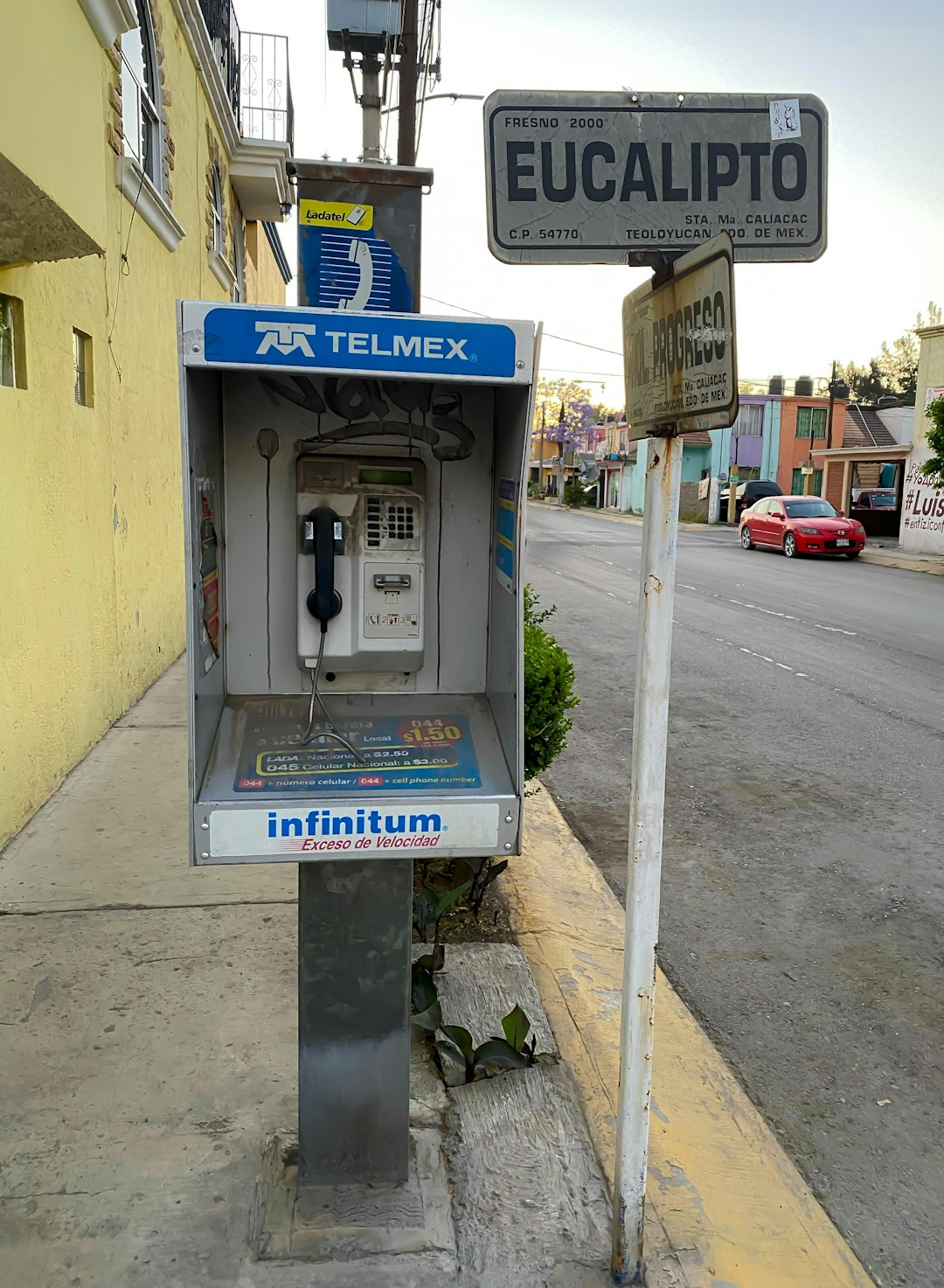
California residents are facing an escalating robocall crisis, with millions of unwanted calls flooding phone lines daily. To combat this growing issue, a revolutionary approach has emerged: community reporting powered by advanced robocall blocker apps. This collaborative effort not only offers robust protection against spam calls but also empowers citizens to become active participants in the fight against fraudulent and annoying telemarketing practices.
At the heart of this initiative lies a unique collaboration between technology developers, telecom carriers, and legal experts, including robocall lawyers California has seen an increase in such cases. By integrating community reporting features into mobile applications, users can identify and flag suspicious calls in real-time. These reports are then aggregated and analyzed, providing valuable insights to both regulatory bodies and app developers. This collective data allows for more effective targeting of call spoofing techniques and enables the identification of new robocall patterns and sources. For instance, a recent study by the Federal Trade Commission (FTC) revealed that nearly 95% of complaints about unwanted calls in California were for robocalls, underscoring the urgency and impact of this issue on the state's residents.
The benefits of community reporting are multifold. First, it enhances individual privacy and security by allowing users to block specific callers or types of calls based on collective feedback. Second, it provides a dynamic defense mechanism against evolving robocall tactics. Legal experts, including robocall lawyers California relies on for guidance, emphasize that community reporting can serve as compelling evidence in litigation against telemarketers and call centers engaging in illegal practices. By collectively documenting the extent and nature of robocalls, residents can bolster legal cases aimed at holding offenders accountable. This collaborative approach not only deters future spam calls but also fosters a culture of digital literacy and civic engagement among California's diverse population.