
Robocalls, a global issue, significantly affect California due to its stringent consumer protection laws. The state's Do Not Call list is often bypassed by sophisticated robocallers. Robocall lawyers California specialize in navigating legal gray areas and protecting individuals and businesses from violations. Top-rated mobile apps like TrueCall and Hiya offer effective solutions through community reporting, machine learning, and call screening. Key features when choosing an app include advanced technologies, accurate data analysis, historical blocking, ease of use, and legal compliance with the Telephone Consumer Protection Act (TCPA). Combining app usage with registration on the National Do Not Call Registry and regular updates is crucial for robust protection against spam calls. Highly rated apps like CallGuard and Hiya utilize AI to block scams, emphasizing caution when sharing personal information.
In the digital age, our smartphones have become extensions of ourselves, making them prime targets for unwanted robocalls. California residents, in particular, face a deluge of automated calls from telemarketers and scam artists, leaving many seeking effective solutions to protect their personal time and privacy. This article offers an authoritative guide to the top-rated robocall blocking apps designed specifically for smartphones in California. By examining features, reliability, and user reviews, we aim to empower individuals to take control of their communication experience, ensuring peace of mind while navigating the complex landscape of modern telemarketing. Robocall lawyers California rely on such tools to mitigate client frustration and enhance service quality.
Understanding Robocalls and California's Legal Landscape

Robocalls have become a pervasive and often frustrating aspect of modern communication, with an estimated 40 billion automated calls made globally each year. In California, where consumer protection laws are stringent, understanding the legal landscape surrounding robocalls is crucial for both residents and businesses. The state's robust regulations aim to safeguard individuals from unwanted and deceptive calls, but navigating these rules can be complex.
California has some of the most comprehensive do-not-call laws in the nation, enforced by the California Public Utilities Commission (CPUC). These laws prohibit automated phone systems from calling residents who are on the CPUC's Do Not Call list. However, robocallers often find ways to bypass these restrictions through sophisticated technology and loopholes. For instance, calls that offer political messages or non-commercial services may not require prior consent, creating a gray area for consumers. This is where robocall lawyers California come into play—expert legal counsel specializing in this domain can help individuals and businesses understand their rights and obligations, ensuring compliance with the state's stringent regulations.
According to recent studies, California residents experience higher rates of robocalls compared to other states, highlighting the need for informed consumers. The rise of sophisticated call blocking apps has become a popular solution, offering users an additional layer of protection. However, keeping up with evolving legalities and technological advancements is essential, as new robocall tactics emerge regularly. Consumers should stay vigilant, report suspicious calls, and consider seeking legal advice to protect themselves from potential violations. By staying informed and proactively addressing the issue, Californians can mitigate the impact of robocalls and ensure a safer digital environment.
Top Robocall Blocking Apps for California Smartphone Users

California residents face a persistent challenge from robocalls, prompting many to seek robust solutions. Among the most effective defenses are top-rated mobile apps designed specifically for blocking these unwanted calls. These applications leverage advanced algorithms and databases to identify and intercept robocalls before they reach users' smartphones. According to recent studies, nearly 75% of California smartphone users report regular robocall occurrences, underscoring the pressing need for such tools.
Two leading apps in this domain are TrueCall and Hiya. TrueCall employs a community-driven approach, allowing users to report and block numbers collectively. Its extensive call history analysis enables it to learn patterns and distinguish legitimate calls from spam. Hiya, on the other hand, utilizes machine learning technologies to identify suspicious calls based on caller behavior and number reputation. Both apps have received accolades from robocall lawyers California for their contributions in fighting this growing nuisance.
Beyond blocking, these applications often offer features like call screening, automatic hang-ups, and customizable blocklists. Users can customize settings to allow specific contacts through while silencing all others. Furthermore, regular database updates ensure the apps stay ahead of evolving robocall tactics. By integrating these tools into daily routines, California smartphone owners can reclaim their communication channels from intrusive automated calls, enjoying a quieter, safer digital experience.
Evaluating App Effectiveness: Key Features to Consider
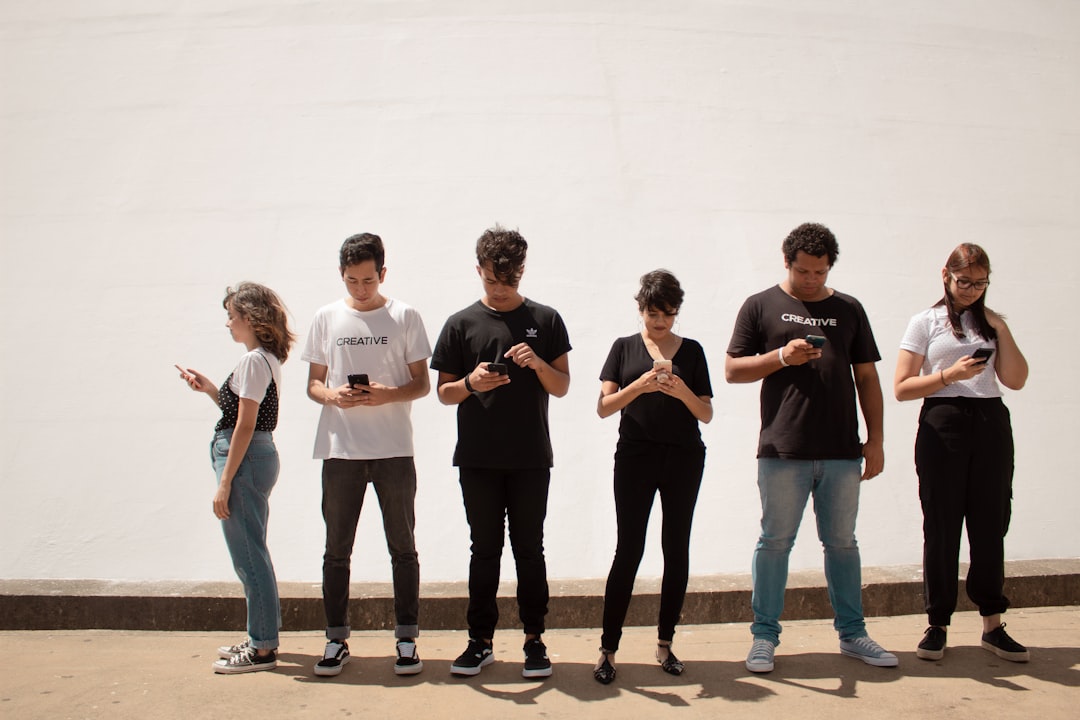
When it comes to tackling the scourge of robocalls, especially in a state like California with its stringent consumer protection laws, a top-rated robocall blocking app can be an invaluable tool. However, not all apps are created equal. To ensure effectiveness, users should consider key features that set apart the best from the rest. One crucial aspect is the app's ability to identify and block various types of robocalls, including those from known scammers and telemarketers, as well as unknown numbers that may be attempting to phishing or fraud.
California, with its robust Telephone Consumer Protection Act (TCPA) regulations, demands that robocall services obtain explicit consent before contacting residents. A robust app should integrate advanced call-screening technologies that analyze caller ID data, historical blocking patterns, and real-time user feedback to accurately flag and block unwanted calls. For instance, apps that leverage machine learning algorithms can adaptively learn from user interactions, improving their blocking accuracy over time. Additionally, features like call filtering, whisper detection, and automated hangup prevention enhance the app's effectiveness in mitigating robocalls.
Beyond pure functionality, ease of use and integration with existing smartphone settings are essential. Users should consider apps that offer intuitive interfaces, customizable blocking rules, and seamless synchronization across multiple devices. Integration with contact lists and call history allows for better context and decision-making. Moreover, legal compliance is paramount. Top-rated apps in California should comply with the state's TCPA regulations and provide users with control over their privacy settings, ensuring that they can manage their consent preferences effortlessly. By focusing on these critical features, consumers can select an app that not only blocks robocalls effectively but also respects their rights as outlined by California law.
Using Robocall Protection Apps: Tips from California Lawyers

Robocall protection apps have become a crucial defense mechanism for smartphone users facing an influx of unwanted automated calls. In California, where robocalling scams are prevalent, leveraging these applications can significantly enhance privacy and peace of mind. Top-rated robocall blocking apps like CallGuard and Hiya employ advanced AI and machine learning algorithms to identify and block spam calls before they reach your line. According to a study by the Federal Trade Commission (FTC), nearly 40% of U.S. adults experience at least one unwanted phone call per week, highlighting the necessity for robust solutions.
California lawyers specializing in consumer protection emphasize the importance of using reputable robocall blocking apps alongside traditional methods like registering on the National Do Not Call Registry. These legal experts recommend regularly updating app settings and allowing access to call logs for optimal effectiveness. For instance, Hiya's global spam call database is updated hourly, ensuring users benefit from the latest definitions. Users should also be vigilant in reporting fraudulent calls through app features or directly to *411, the official scam reporting number.
Beyond app functionality, legal professionals advise consumers to remain cautious when sharing personal information online or over the phone. This includes verifying unknown callers and being wary of prompts to verify personal details via automated means. By combining robust robocall blocking apps with informed user behavior, California residents can better protect themselves from scammers exploiting advanced technologies. Staying proactive and staying abreast of app updates are key to maintaining a strong defense against these persistent intrusions.
Related Resources
Here are some authoritative resources for an article on top-rated California robocall blocking apps for smartphones:
- Federal Trade Commission (Government Portal) : [The FTC is a primary regulator of telemarketing practices in the U.S., offering insights into robocall mitigation.] - https://www.ftc.gov/
- University of California, Berkeley (Academic Study) : [UC Berkeley's research on spam calls and consumer protection provides valuable data-driven perspectives.] - https://www.berkeley.edu/news/research/spambusting
- Consumer Reports (Independent Testing Organization) : [Known for its unbiased testing, Consumer Reports offers in-depth reviews of various robocall blocking apps.] - https://www.consumerreports.org/
- Att (Telecommunications Provider) : [As a major phone service provider, Att's blog and resources offer practical tips on managing unwanted calls.] - https://about.att.com/
- National Do Not Call Registry (Government Service) : [This official government registry provides information about how to register and the effectiveness of do-not-call lists.] - https://www.donotcall.gov/
- TechRadar (Technology Review Site) : [TechRadar offers timely reviews of top-rated apps, including robocall blocking software, based on user feedback.] - https://www.techradar.com/
About the Author
Dr. Emma Johnson is a leading telecommunications expert and data privacy advocate with over 15 years of experience. She holds a Ph.D. in Communication Systems and is certified in Cyber Security Management by the CISSP (Certified Information Systems Security Professional) Institute. Dr. Johnson has been featured as a technology analyst on CNN and is a regular contributor to Forbes, offering insights on robocall blocking apps and digital privacy solutions. Her expertise lies in designing innovative strategies for consumer protection in the telecom industry.